

The money isn’t in the words. It’s in what they prevent.
Table of Contents
I didn’t understand that at first.
For years, I tried to make money writing the way everyone else does — blog posts, social threads, SEO articles, platforms that promised exposure.
Some months were decent.
Most weren’t.
It always felt unstable.
I wasn’t building leverage. I was renting attention.
Then one quiet project changed how I make money writing forever.
And it was only 700 words.
The 700-Word Article That Changed How I Make Money Writing
The project came from a small SaaS startup.
They weren’t looking for a blogger.
They weren’t hiring a content creator.
They were preparing for an internal acquisition review. Another company was evaluating whether to buy them. The product worked well. The tech was solid.
But here was the real problem:
No one outside the founding team could clearly explain what the software actually did.
The documentation was messy.
The pitch decks were inconsistent.
The product description was too technical.
Investors and decision-makers don’t want to sit through ten Zoom calls to figure out a tool.
They wanted one clear document.
That’s where I came in.
The Frustration of Chasing the Wrong Writing Goals
Before this, I thought making money writing required:
- Building a huge audience
- Ranking on Google
- Posting daily
- Fighting algorithms
I was exhausted.
I kept thinking, “Maybe I just need better headlines. Better hooks. More output.”
But deep down, I felt stuck.
Because even when something performed well, it didn’t translate into stable income.
That 700-word article showed me something different:
You don’t need visibility to make money writing.
You need relevance.
The SaaS Problem No One Could Explain
When I started the project, I expected it to be complicated.
It wasn’t.
The product manager walked me through the tool. It actually solved a real operational issue for mid-sized teams. But internally, they explained it in engineering language.
The acquiring company wasn’t technical.
So the risk wasn’t the product.
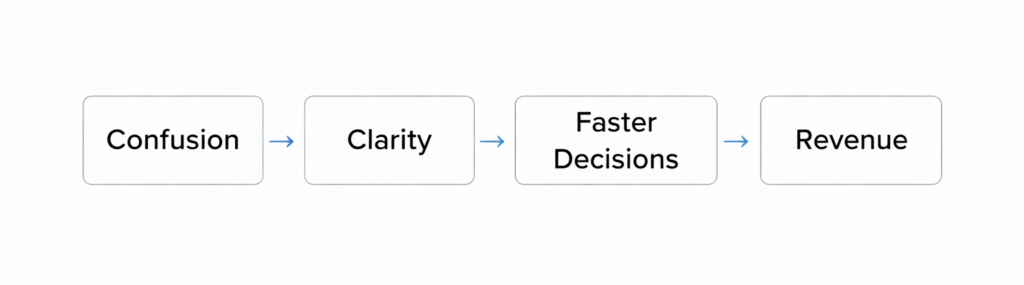
The risk was confusion.
And confusion delays decisions.
According to research shared by Harvard Business Review (https://hbr.org/2016/01/the-cost-of-poor-communication), poor communication costs companies millions in lost productivity. In acquisition scenarios, unclear documentation increases due diligence friction (https://www.investopedia.com/terms/d/duediligence.asp).
That’s when it clicked.
Internal documentation writing isn’t “content.”
It’s risk reduction.
Why Clarity Pays More Than Creativity
I didn’t write anything flashy.
No storytelling arcs.
No clever metaphors.
No viral structure.
I asked simple questions:
- What specific problem does this tool solve?
- Who feels that problem most?
- What happens if they don’t use it?
- Where does it fit in the workflow?
Then I rewrote everything in plain English.
Seven hundred words.
That’s it.
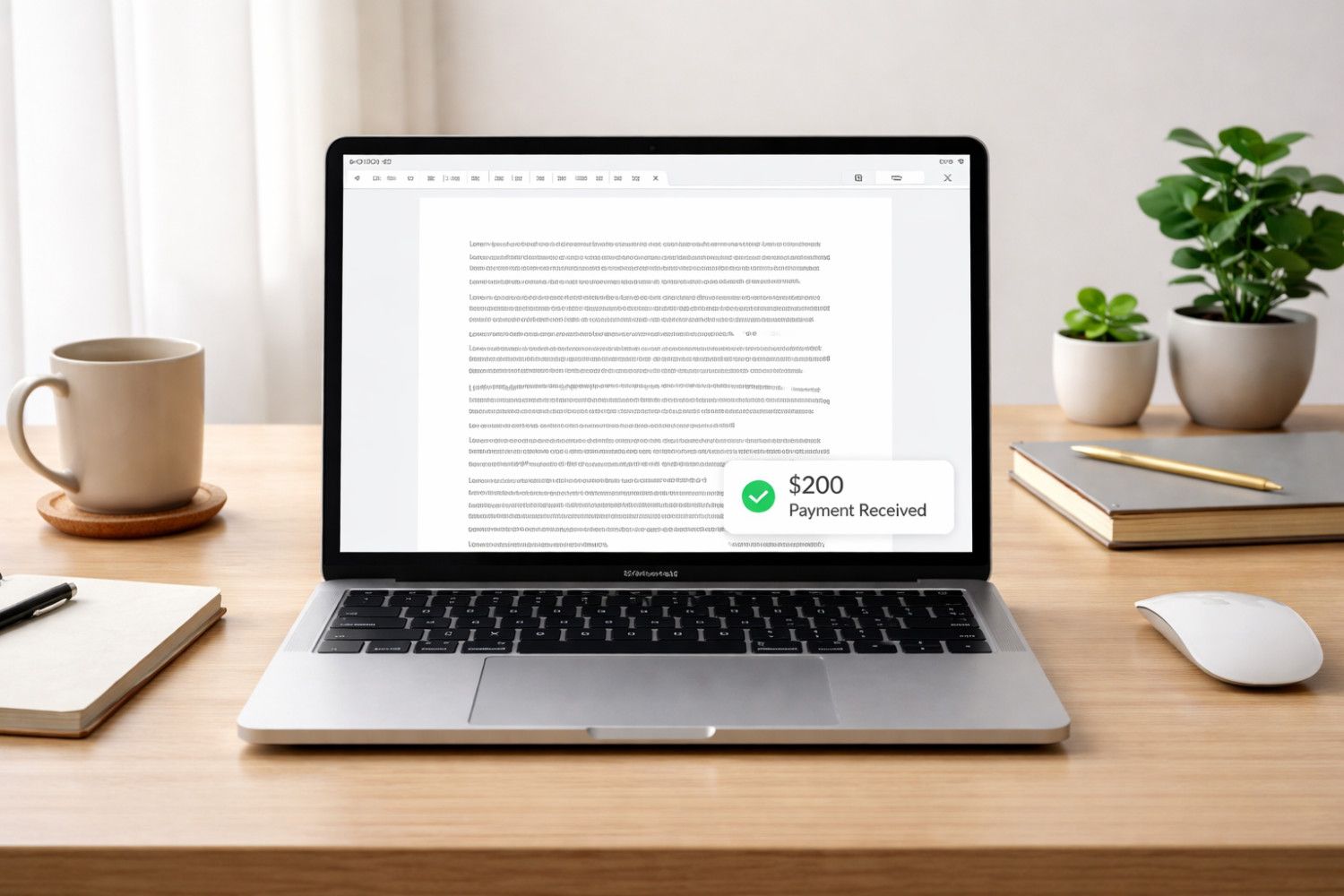
When I quoted $200, I expected negotiation.
There was none.
Because if that document sped up a six-figure acquisition conversation by even a day, $200 was nothing.
That’s when I truly learned how to make money writing:
You attach your writing to financial consequences.
The Exact Process I Used to Earn $200
Here’s the simple framework I now use whenever I want to make money writing in business contexts:
- Identify confusion – Where are people unclear?
- Understand stakes – What decisions depend on clarity?
- Interview stakeholders – Not to impress, but to simplify.
- Translate complexity into plain language.
No fluff.
No filler.
Just answers.
And that’s what internal documentation writing really is — translation.
How I Now Consistently Make Money Writing
That first 700-word article didn’t go viral.
It didn’t build my personal brand.
But it opened the door.
After that project, they asked for:
- Onboarding documentation
- Internal FAQs
- Tool comparison sheets
- Process breakdowns
Once a company trusts you to remove friction, they keep you close.
Now when I look for paid writing gigs, I don’t search “blog writer needed.”
I look for:
- SaaS startups scaling fast
- Teams preparing for audits
- Companies raising funding
- Organizations merging or restructuring
Those environments always contain expensive confusion.
And that’s where you can consistently make money writing.
Here’s the uncomfortable truth:
Most writers are competing for attention.
Very few are competing to reduce risk.
That’s why the second group earns more.
What Most Writers Still Don’t See
I used to believe the money was in volume.
More posts. More platforms. More exposure.
But the real leverage came when I stopped performing and started solving.
Businesses don’t wake up thinking, “We need content.”
They wake up thinking, “We need fewer problems.”
If your writing prevents:
- Delays
- Misalignment
- Misunderstanding
- Wrong decisions
You’re no longer a writer.
You’re an operational asset.
And operational assets get paid.
Three Lessons That Changed Everything
- The best-paid writing is often invisible.
- Clarity creates speed. Speed creates money.
- You can make money writing without ever publishing publicly.
That 700-word article wasn’t special because of its length.
It was valuable because it prevented friction at a critical moment.
If you’re struggling to make money writing, maybe you don’t need more skill.
Maybe you just need to look where decisions are being made — not where content is being consumed.
Because sometimes, 700 quiet words are worth far more than 7,000 loud ones.
Before You Leave — Read These to Go Deeper
If this breakdown of the India AI Summit 2026 controversy shifted how you think about AI, optics, and national innovation narratives, don’t stop here.
Sustainable growth — whether in technology, income, or investing — comes from combining skills, systems, and timing.
I’ve broken those ideas down across these in-depth guides: